Weaknesses for a Job Interview: Honest Examples and Progress
Answer an interview weakness question with a real development area, a practical improvement process, and evidence of progress without invented results.
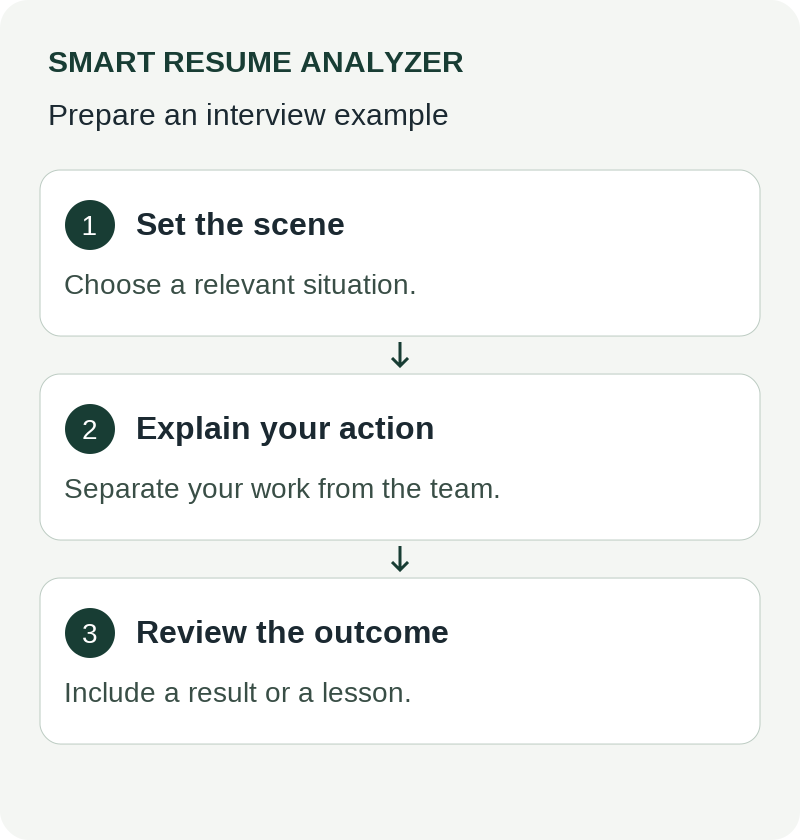
A useful answer to an interview weakness question identifies a real development area, explains how it affects your work, and describes what you are doing about it. Avoid disguising a strength as a weakness or choosing a limitation solely because it sounds harmless.
Choose a relevant, truthful area
Think about feedback you have received or a task you are actively improving. Distinguish a skill gap from a private personal matter: you can discuss organizing status updates without disclosing medical or family details.
Consider the role's core requirements. If the vacancy needs independent advanced SQL work and you have not used SQL, do not frame that as a tiny weakness. Explain the current skill gap accurately so both sides can assess the fit.
Two fictional answers
Concise updates: “My written project updates used to include too much background, which made it harder to identify the decision needed. I now put the status, blocker, and request at the top and ask the project owner whether the update is actionable. I am still practicing that structure when the issue is complex.”
Earlier clarification: “I sometimes spent too long trying to resolve an ambiguous requirement alone. I now write down the assumptions and bring the key questions to the owner before implementation. That has given me a clearer way to identify when I need a decision rather than more independent research.”
These examples demonstrate reflection and a process. They are not claims about a real applicant, and they do not assert measured improvement that has not been documented.
Explain progress carefully
If you have evidence, describe it: fewer clarification requests, feedback on a recent update, or a completed training exercise. If progress has not been measured, say what you have changed and what you are reviewing next. Avoid “I completely solved it” when the area still needs attention.
You can acknowledge a mistake without turning the answer into a long apology. Keep responsibility clear and avoid blaming teammates for your development area. Be ready to describe a situation where the weakness showed up and how you responded.
Rehearse the follow-up
Practice answering “What would you do differently now?” and “How do you know the change is helping?” Keep the answer consistent with your resume and other examples. The interviewer is having a conversation, so leave room for questions.
If you are looking for preventable errors rather than development areas, read the interview mistakes checklist. Preparation problems and the weakness question need different answers.
Sources and further reading
These pages are independent references for the advice in "Weaknesses for a Job Interview: Honest Examples and Progress". Read them alongside this guide and follow your target employer's own instructions where they differ.
Use These Tools Next
Use a working tool to apply this guidance to your own resume or job description.
Related Resume Pages
Explore related keyword and resume guidance pages to keep improving your application materials.
Using this guidance
Use these guides to check a specific part of your application. Automated feedback is guidance, not a hiring prediction. Check suggested edits against your own experience.
Related Articles
Continue with another guide on this topic.
Interview Preparation
Reasons for Leaving a Job: Honest Interview Answers
Explain why you are leaving a job with a factual, concise answer. Includes examples for growth, contracts, layoffs, and changes in role fit.
Interview Preparation
Thank-You Email After an Interview: Examples and Follow-up
Write a concise thank-you email after an interview with a specific reference to the conversation. Includes an adaptable template and timing boundaries.
Job Search Strategy
Preparing for a Recorded Video Interview
Preparing for a recorded video interview: read the instructions closely, build concise examples for camera, and ignore guesswork about AI scoring.