Cover Letter Mastery 2025: Write Compelling Letters That Get Interviews
Write a stronger cover letter with a simple structure, role-specific evidence, and cleaner application messaging before using any cover letter generator.
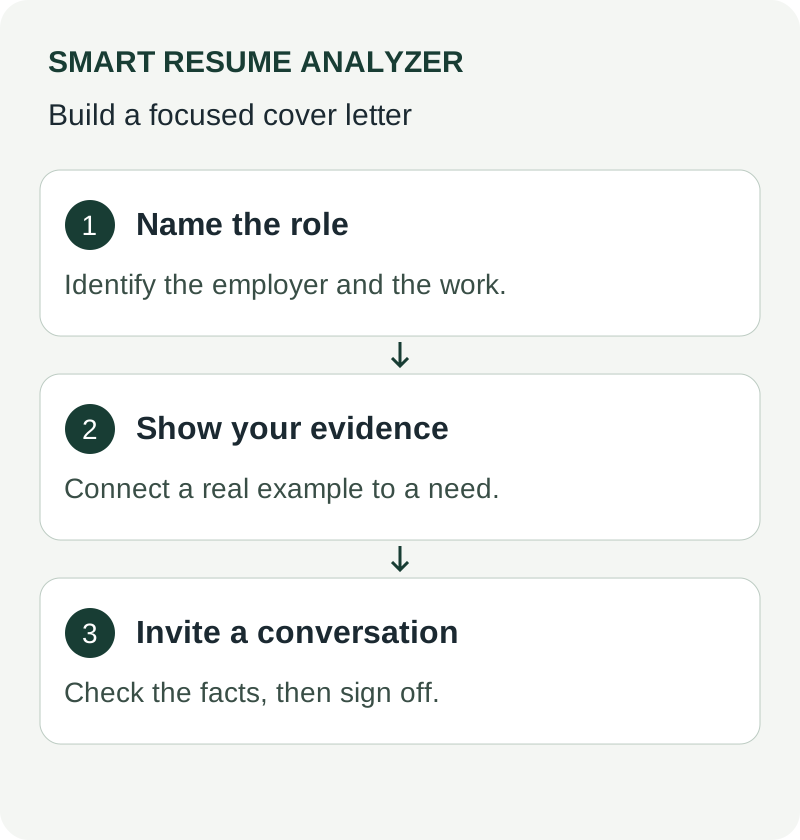
What A Good Cover Letter Still Does In 2025
Cover letters no longer carry the same weight in every application, but they still matter when you need to explain fit, context, or motivation better than a resume alone can. The strongest cover letters are not long. They are specific, role-aware, and easy to trust.
When A Cover Letter Is Worth Writing
- you are changing industries or role types
- you want to explain a strong reason for this specific company
- the role values communication and writing
- your resume needs help telling the full story
The Three-Part Structure That Works
Opening: say which role you are applying for and why this role makes sense for you.
Middle: connect your most relevant experience to the job’s needs with one or two concrete examples.
Close: express interest clearly and keep the tone direct and professional.
What To Avoid
- generic openings with no company or role specificity
- repeating the resume line by line
- long paragraphs with no clear point
- claims about passion that are not backed by experience or reasoning
Use Resume Evidence, Not Empty Praise
A cover letter becomes stronger when it references the same evidence your resume can support. If you say you are strong in delivery, mention the project. If you say you collaborate well, point to a real example. This keeps the letter believable.
Tailor The Letter To The Job Description
Look for two or three priorities in the job post and reflect them directly. That could be product ownership, async communication, client-facing work, research ability, or technical depth. Your cover letter should sound like a response to this role, not a recycled note for every application.
Short Is Usually Better
In most cases, one strong page or even a few concise paragraphs are enough. Hiring teams want clarity, not performance. The goal is to make your application feel more intentional, not more complicated.
Use These Tools Next
Use a working tool to apply this guidance to your own resume or job description.
Related Resume Pages
Explore related keyword and resume guidance pages to keep improving your application materials.
Using this guidance
Use these guides to check a specific part of your application. Automated feedback is guidance, not a hiring prediction. Check suggested edits against your own experience.
Related Articles
Continue with another guide on this topic.
Career Advice
Recruiters Don’t Trust Your Resume: The Danger of Exaggeration
Recruiters don’t trust your resume because everything sounds exaggerated. If it feels unrealistic, they assume it’s not true. Be specific and realistic with your claims to build credibility.
Tool Guides
How To Use An Apply Kit For Faster Cover Letters And Interview Prep
An apply kit connects resume analysis, cover letter drafting, and interview prep so your application workflow stays faster and more consistent.
Tool Guides
Outcome Analytics For Your Job Search: Track What Actually Gets Interviews
Outcome analytics helps job seekers track which resume versions, roles, and application patterns actually lead to interviews.