How To Use An Apply Kit For Faster Cover Letters And Interview Prep
Learn how to use an apply kit to create better cover letters, interview prep, and a more connected application workflow from one analyzed resume.
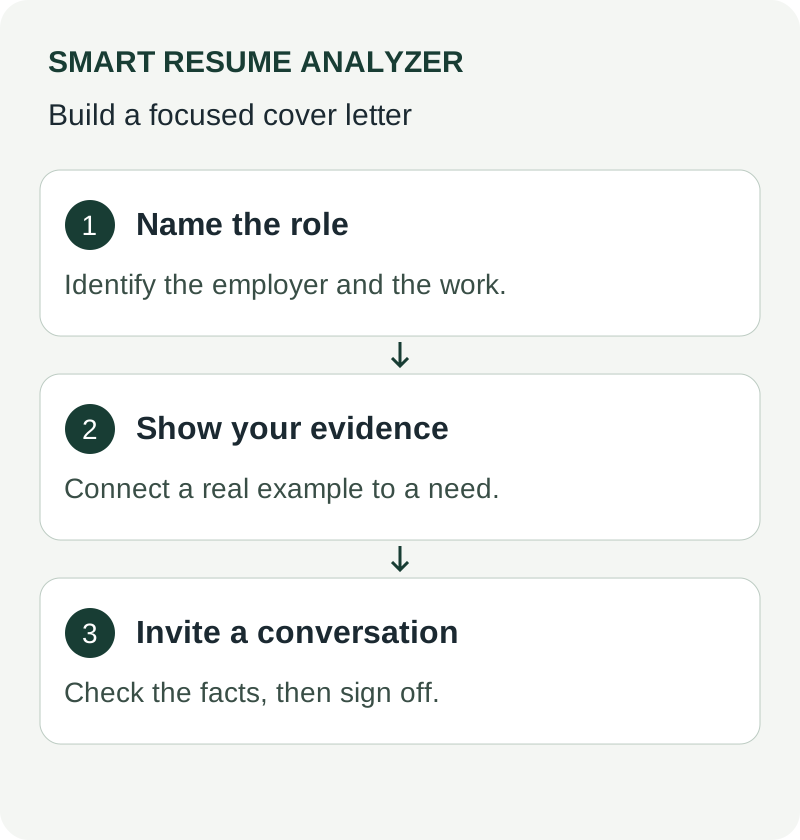
An apply kit combines multiple application tasks into one workflow so you can move from resume analysis to cover letter writing and interview prep without losing context. In a modern job search, that matters because candidates are not only competing on experience. They are also competing on how clearly they present that experience, how quickly they adapt it to a role, and how well they learn from application results.
Why This Tool Matters
Application work often becomes fragmented. Candidates analyze a resume in one place, write a cover letter in another, and prepare for interviews later from memory. An apply kit matters because it keeps those steps connected and faster to execute.
ATS Resume Impact
While cover letters are not always scored like resumes, alignment still matters. When your resume, cover letter, and interview talking points all reflect the same role language, the full application package becomes more coherent and persuasive.
Recruiter Psychology Impact
Recruiters and hiring teams notice consistency. If your cover letter, resume, and interview answers all support the same value story, you feel more prepared and more credible throughout the process.
When You Should Use This Tool
Use an apply kit after you have analyzed a resume and chosen a role worth pursuing seriously. It is especially helpful when you need to move quickly without letting quality drop across multiple application assets.
How To Use It Step By Step
- start with a resume that has already been reviewed for quality and role fit
- open the apply kit when you are ready to build the rest of the application package
- generate the cover-letter draft first so the role story becomes clearer in writing
- switch to interview prep while the same role context is still fresh
- edit both outputs so the language feels specific and human, not generic
- save the final assets together so your application package stays organized
A Practical Example
A good apply-kit workflow can start with one analyzed resume, then generate a tailored cover-letter draft and role-aware interview questions from the same core experience. That means less duplication, less context switching, and a more consistent message across every stage.
Common Mistakes To Avoid
- treating generated outputs as finished without editing them
- using different role stories in the cover letter and interview prep
- starting the workflow before the resume itself is strong enough
- forgetting to personalize company-specific details when needed
The Real Impact On Your Job Search
An apply kit saves time, but the deeper value is consistency. It helps you move from analysis to action faster while keeping your job-search message aligned across the full application journey.
Use SmartResumeAnalyzer To Turn Insight Into Action
SmartResumeAnalyzer helps make that workflow more useful by keeping resume analysis, cover letters, and interview prep connected instead of scattered across disconnected steps.
Use These Tools Next
Use a working tool to apply this guidance to your own resume or job description.
Related Resume Pages
Explore related keyword and resume guidance pages to keep improving your application materials.
Using this guidance
Use these guides to check a specific part of your application. Automated feedback is guidance, not a hiring prediction. Check suggested edits against your own experience.
Related Articles
Continue with another guide on this topic.
Cover Letters
Cover Letter Templates That Help You Apply Faster
Cover letter templates that help you apply faster, with a simple ATS-friendly structure you can tailor to any job in minutes.
Job Applications
Cover Letter Mastery 2025: Write Compelling Letters That Get Interviews
A good cover letter in 2025 is short, specific, and built around the exact role instead of repeating the resume.
Cover Letters
Cover Letter Review Checklist Before You Apply
The Challenge A strong draft can still miss the mark. Small issues in tone, structure, or formatting can weaken an application before a recruiter reads the f…